This site is intended for US healthcare professionals only.

Request a Rep

This site is intended for U.S. healthcare professionals only.

glove punching through rubble

TEPMETKO efficacy from

the VISION trial

Achieve robust and lasting responses with TEPMETKO FIRST1,2

Lead with a targeted move:

In the largest clinical trial in METex14+ mNSCLC (N=313),

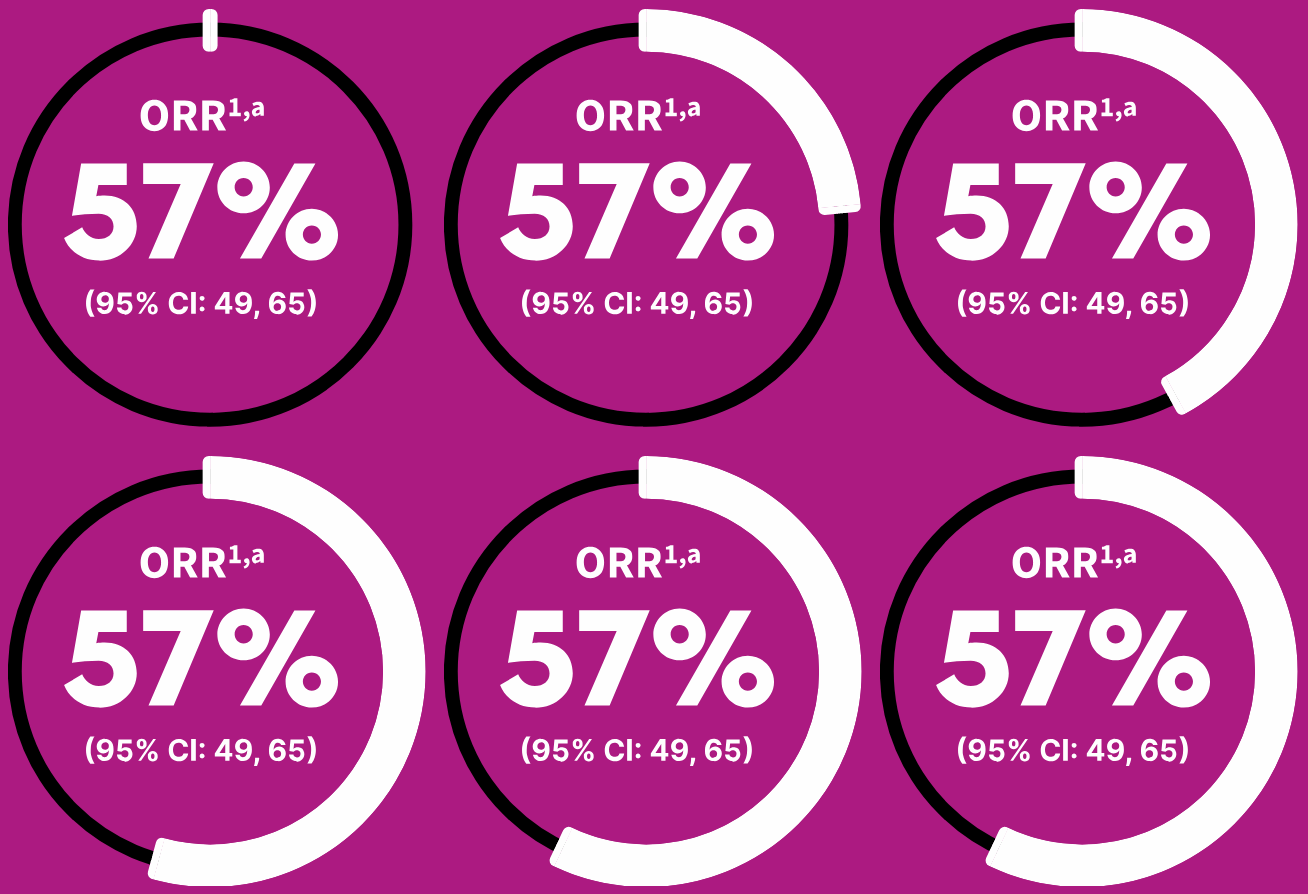
1L patients (n=164) experienced1,2

The overall response rate among treatment-naive patients.

For patients who responded to TEPMETKO (n=94)

Duration of response1,3

% of patients

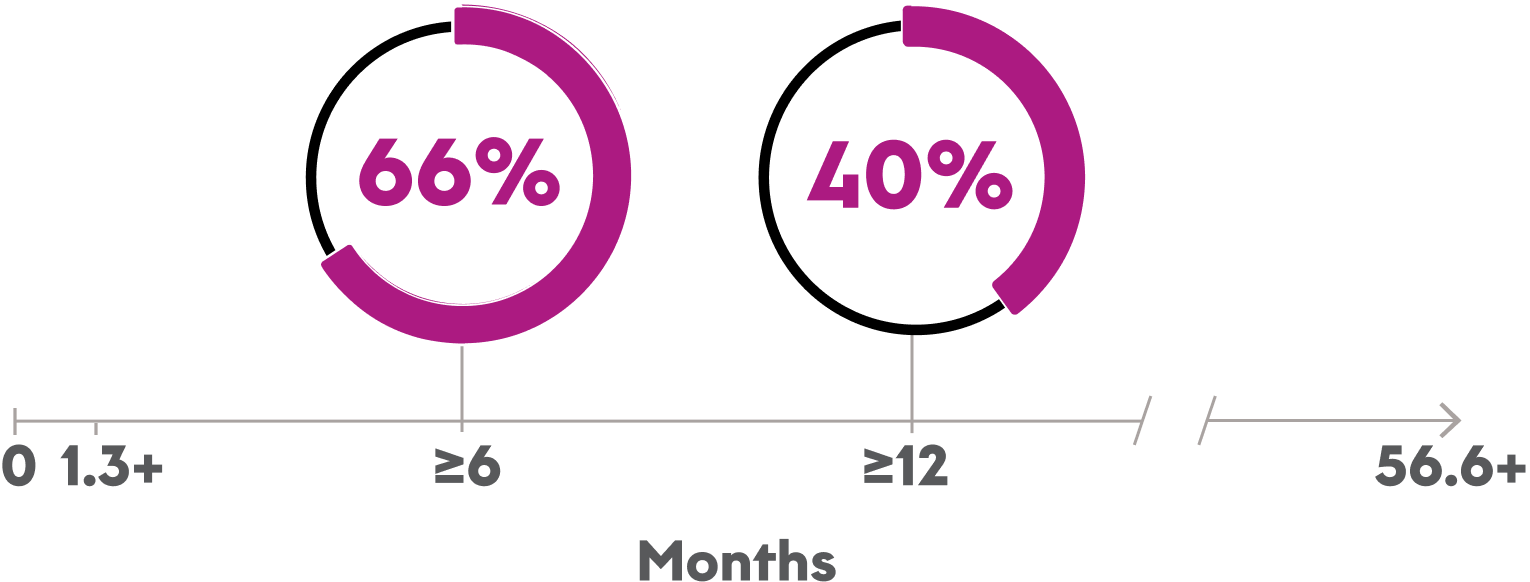
Graphic of duration of response in treatment-naive patients at 6 and 12 months.

DOR spanned more than 4.5 years in some patients

Onset of response3,b

% of patients

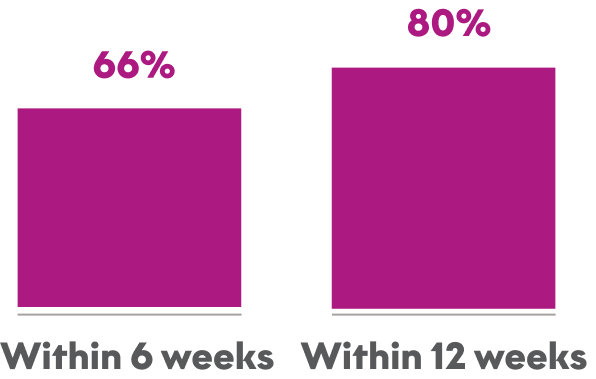
Graphic of onset of response in treatment-naive patients at 6 and 12 weeks.

aORR according to RECIST v1.1 as evaluated by a BIRC.1

bAt 6 weeks, 62/94 patients responded. At 12 weeks, an additional 13 patients (75/94) responded.3

Every round matters:

In the largest clinical trial in METex14+ mNSCLC (N=313),

2L+ patients (n=149) experienced1,2

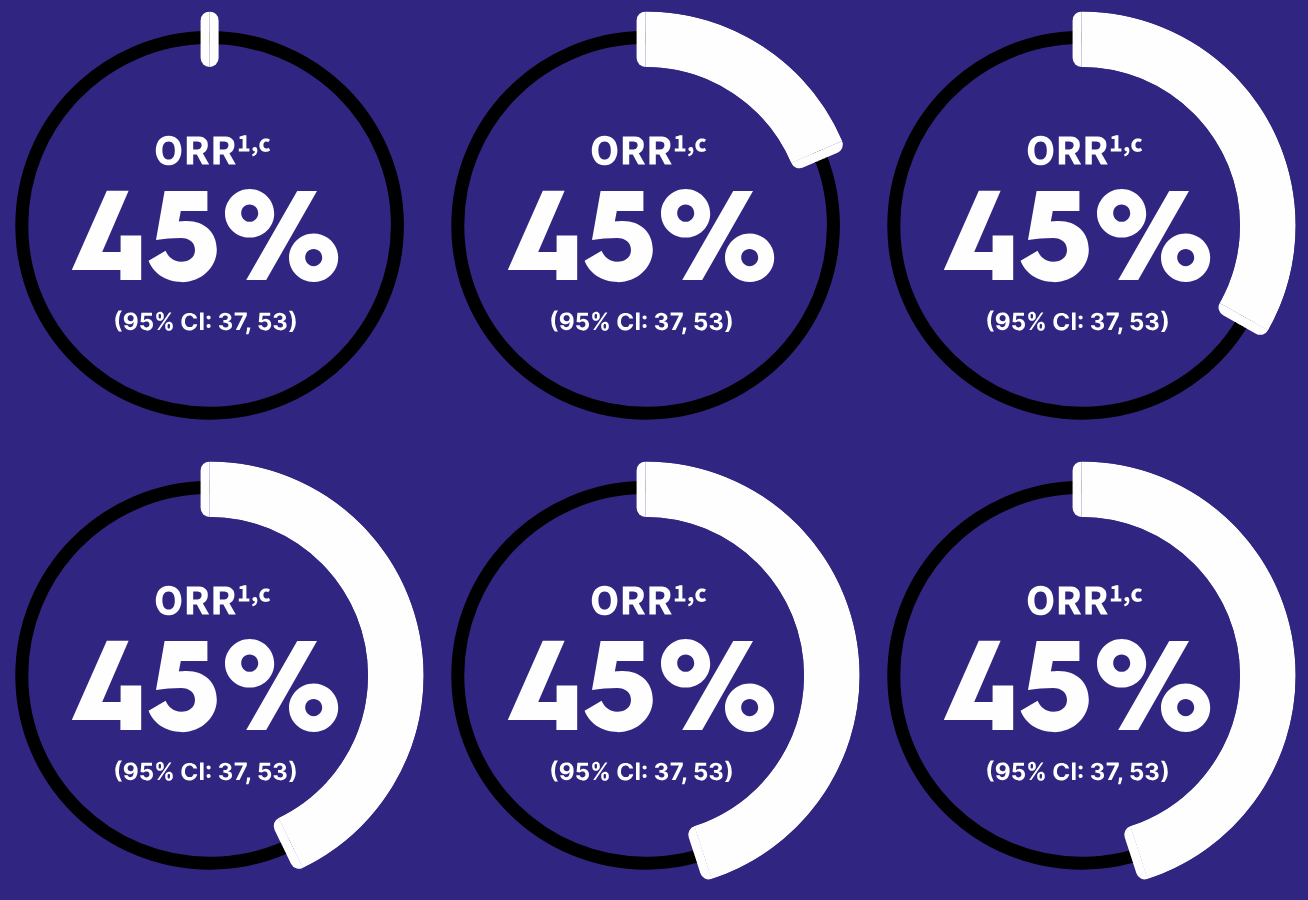
The overall response rate among previously treated patients.

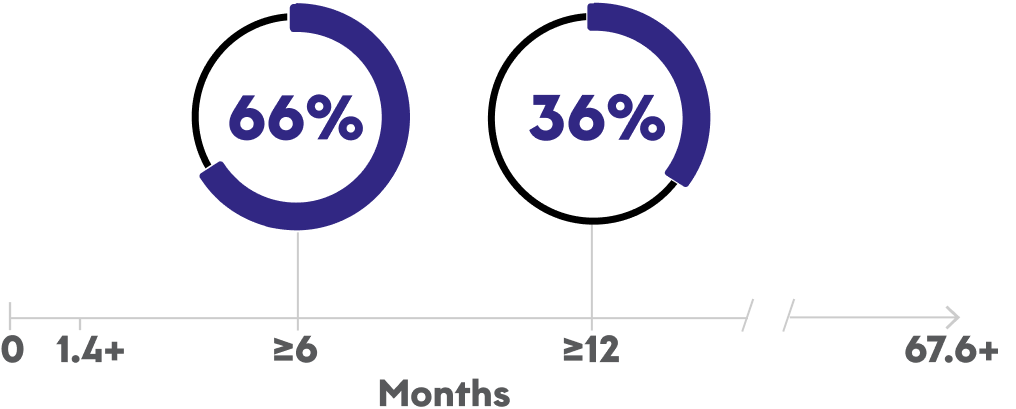
For patients who responded to TEPMETKO (n=67)

Duration of response1,3

% of patients

Graphic of duration of response in previously treated patients at 6 and 12 months.

DOR spanned more than 5.5 years in some patients

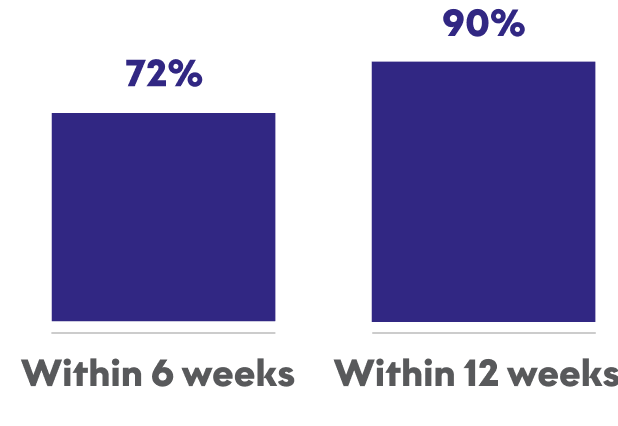
Onset of response3,d

% of patients

Graphic of onset of response in previously treated patients at 6 and 12 weeks.

cORR according to RECIST v1.1 as evaluated by a BIRC.1

dAt 6 weeks, 48/67 patients responded. At 12 weeks, an additional 12 patients (60/67) responded.3

Lead with a targeted move:


In the largest clinical trial in METex14+ mNSCLC (N=313),

1L patients (n=164) experienced1,2

The overall response rate among treatment-naive patients.

For patients who responded to TEPMETKO (n=94)

Duration of response1,3

% of patients

Graphic of duration of response in treatment-naive patients at 6 and 12 months.

DOR spanned more than 4.5 years in some patients

Onset of response3,b

% of patients

Graphic of onset of response in treatment-naive patients at 6 and 12 weeks.

aORR according to RECIST v1.1 as evaluated by a BIRC.1

bAt 6 weeks, 62/94 patients responded. At 12 weeks, an additional 13 patients (75/94) responded.3

Every round matters:


In the largest clinical trial in METex14+ mNSCLC (N=313),

2L+ patients (n=149) experienced1,2

The overall response rate among previously treated patients.

For patients who responded to TEPMETKO (n=67)

Duration of response1,3

% of patients

Graphic of duration of response in previously treated patients at 6 and 12 months.

DOR spanned more than 5.5 years in some patients

Onset of response3,d

% of patients

Graphic of onset of response in previously treated patients at 6 and 12 weeks.

cORR according to RECIST v1.1 as evaluated by a BIRC.1

dAt 6 weeks, 48/67 patients responded. At 12 weeks, an additional 12 patients (60/67) responded.3

VISION: FIRST METex14+ trial with 300+ patients1,2

The largest trial in METex14+ mNSCLC with a long-term follow-up of up to 6 yearse

Trial design

N=313
Treatment naïve (n=164)
Previously treated (n=149)
 

TEPMETKO
450mg QDf

Outcomes

Major efficacy outcome
• ORRg
Additional outcomes
• DOR        • Safety
ELIGIBILITY
  • Advanced, metastatic METex14+ NSCLCh
  • EGFR wild-type and ALK-negative status
  • ≥1 measurable lesion by RECIST v1.1
  • ECOG PS 0.1
EXCLUSIONS
  • Symptomatic CNS metastases
  • Clinically significant, uncontrolled cardiac disease
  • Prior treatment with any MET or HGF inhibitor

eThe median follow-up was 32.6 months (range: 0.3–71.9).2

fTEPMETKO was administered until disease progression or unacceptable toxicity.1

gORR was confirmed by RECIST v1.1.1

hIdentification of METex14+ skipping alterations was prospectively determined using central laboratories employing either a PCR-based or next-generation sequencing–based clinical trial assay using tissue (66%) and/or plasma (57%) samples.1

Patients studied in the VISION trial (N=313)1,2,4

Disease characteristics

one person group

94% of patients had metastatic disease

81% had adenocarcinoma histologyi

13% had CNS metastases

Age/ECOG status

calendar and values

Median age of 72 years(range 41-94)

26% had ECOG PS 0

74% had ECOG PS 1

Line of therapy

lungs radiating lines

52% first line (n=164)

48% previously treated (n=149)j
84% prior platinum-based therapy
54% immune-based therapy

Race and gender

man and woman figures

62% White

34% Asian

49% male

51% female

Smoking status

burning cigarette

49% never smokers

51% former smokers

iOther histological subtypes included squamous and sarcomatoid histology.
jHad progressed on up to 2 lines of prior systemic therapy.

The largest trial in METex14+ mNSCLC with a long-term follow-up of up to 6 yearse

Trial design

N=313
Treatment naïve (n=164)
Previously treated (n=149)
 

TEPMETKO
450mg QDf

Outcomes

Major efficacy outcome
• ORRg
Additional outcomes
• DOR        • Safety
ELIGIBILITY
  • Advanced, metastatic METex14+ NSCLCh
  • EGFR wild-type and ALK-negative status
  • ≥1 measurable lesion by RECIST v1.1
  • ECOG PS 0.1
EXCLUSIONS
  • Symptomatic CNS metastases
  • Clinically significant, uncontrolled cardiac disease
  • Prior treatment with any MET or HGF inhibitor

eThe median follow-up was 32.6 months (range: 0.3–71.9).2

fTEPMETKO was administered until disease progression or unacceptable toxicity.1

gORR was confirmed by RECIST v1.1.1

hIdentification of METex14+ skipping alterations was prospectively determined using central laboratories employing either a PCR-based or next-generation sequencing–based clinical trial assay using tissue (66%) and/or plasma (57%) samples.1

Patients studied in the VISION trial (N=313)1,2,4

Disease characteristics

one person group

94% of patients had metastatic disease

81% had adenocarcinoma histologyi

13% had CNS metastases

Age/ECOG status

calendar and values

Median age of 72 years(range 41-94)

26% had ECOG PS 0

74% had ECOG PS 1

Line of therapy

lungs radiating lines

52% first line (n=164)

48% previously treated (n=149)j
84% prior platinum-based therapy
54% immune-based therapy

Race and gender

man and woman figures

62% White

34% Asian

49% male

51% female

Smoking status

burning cigarette

49% never smokers

51% former smokers

iOther histological subtypes included squamous and sarcomatoid histology.
jHad progressed on up to 2 lines of prior systemic therapy.

VISION Trial Publication

Read the long-term results from the VISION trial, published in JAMA Oncology.


Some data from the publication is not included in the TEPMETKO Prescribing Information.

Please see FULL PRESCRIBING INFORMATION on this website.

NCCN Preferred

Tepotinib (TEPMETKO) is a National Comprehensive Cancer Network® (NCCN®) recommended option as an NCCN Category 2A–preferred regimen for both first-linek and subsequent-linel settings for patients with METex14+ mNSCLC5,m-o

kIf METex14+ is discovered prior to first-line systemic therapy.5

lIf MET inhibitors have not previously been given.5

mCategory 2A definition: Based upon lower-level evidence, there is uniform NCCN consensus (≥85% support of the Panel) that the intervention is appropriate.5

nSee the NCCN Clinical Practice Guidelines in Oncology (NCCN Guidelines®) for Non-Small Cell Lung Cancer for detailed recommendations, including other preferred options.

oThe NCCN Guidelines® for Non-Small Cell Lung Cancer provide recommendations for certain individual biomarkers that should be tested, and recommend testing techniques, but do not endorse any specific commercially available biomarker assays or commercial laboratories.5

Lasting results—hear why Dr. Nguyen chose TEPMETKO FIRST

0:47 – Introduction
1:12 – Trial Design
2:48 – Key Efficacy Results
4:21 – Safety Profile
Explore safety

INDICATION

TEPMETKO is indicated for the treatment of adult patients with metastatic non-small cell lung cancer (NSCLC) harboring mesenchymal-epithelial transition (MET) exon 14 skipping alterations.

SUMMARY OF WARNINGS AND PRECAUTIONS

TEPMETKO is associated with the following Warnings and Precautions: interstitial lung disease (ILD)/pneumonitis, hepatotoxicity, pancreatic toxicity, and embryo-fetal toxicity.

Please see additional Important Safety Information at the end of this video and the accompanying full Prescribing Information for TEPMETKO.

Dr Ryan Nguyen

My name is Dr Ryan Nguyen. And I'm a medical oncologist. And I specialize in the care of patients living with lung cancer. I practice at an academic institution in Chicago, Illinois. And I have 5 years of experience treating patients with MET exon 14 positive metastatic non-small cell lung cancer.

For my eligible patients who are diagnosed with MET exon 14 positive metastatic non small cell lung cancer, I start them on TEPMETKO.

TEPMETKO was studied in the VISION Trial, the largest and longest clinical trial of its kind in MET exon 14 positive metastatic NSCLC. The clinical evidence for TEPMETKO supports a robust and lasting response. I want to give each of my eligible patients diagnosed with MET exon 14 positive metastatic NSCLC the opportunity to receive the appropriate therapy.

I also choose TEPMETKO as my first choice for appropriate patients under my care who were previously treated for MET exon 14 positive metastatic NSCLC.

As I mentioned, the pivotal clinical trial for TEPMETKO, the VISION Trial, is the largest and longest in MET exon 14 positive metastatic NSCLC. It included 313 patients and had a long-term follow-up of up to 6 years, ranging from 0.3 to 71.9 months.

The study included both treatment-naive and previously treated patients with MET exon 14 positive metastatic NSCLC. All patients received TEPMETKO 450 milligrams, once daily, until disease progression or unacceptable toxicity.

The primary analysis had a median follow-up of more than 11.8 months. And the long-term follow-up had a median of 32.6 months.

Endpoints that I'm looking at, when I am looking at a patient in clinic, and deciding on what treatment, overall response rate, duration of response, these are 2 kind of key endpoints for me, because I want to see what's the chances that we're actually going to get this patient's cancer back under control. And, if we do get it under control, are we going to get a long-term response with that treatment as well?

First, let's take a look at the robust and lasting responses in the 164 treatment-naive patients who received TEPMETKO as their first line.

As you can see, these long-term follow-up data showed that the overall response rate achieved with TEPMETKO was 57%.

Looking at the duration of response at long-term follow-up, the range was 1.3 to 56.6 months. Sixty-six percent of patients responded for six months or longer. And 40% responded for a year or longer.

Continuing with the additional data from the Trial, for the total treatment-naive patient population, the duration of treatment showed that 69 patients, or 42.07%, had at least 1 dose reduction. And 100 patients, or 61%, had at least one dose interruption or delay.

Turning, now, to the previously treated patient population, we see robust and lasting responses at follow-up with TEPMETKO. The overall response rate was 45%.

And the duration of response was 1.4 to 67.6 months. Sixty-six percent of patients responded for 6 months or longer. And 36% responded for 1 year or longer.

And for the duration of treatment among the total previously treated patient population, there were 47 patients, or 31.5%, who had at least 1 dose reduction, and 84 patients, or 56%, who had at least 1 dose interruption or delay.

The safety and tolerability of TEPMETKO were established in 313 patients. Most adverse reactions observed in the VISION Trial were Grade 1 or 2. The adverse reactions that occurred in 10% or more of patients, for all grades, and for Grades 3 to 4, are shown in the bar chart.

My experience with TEPMETKO in my clinical practice has been very similar to what we saw in the VISION Trial. Peripheral edema is the most common side effect that I see.

Eight percent of patients had to permanently discontinue TEPMETKO due to edema. Proactive monitoring for peripheral edema is recommended, and may be managed with dose reduction of TEPMETKO or temporary discontinuation.

For my patients who experience peripheral edema, I suggest compensatory management that includes limb elevation, compression stockings, and reduction of dietary salt.

Of patients who received TEPMETKO and experienced an adverse reaction, 25% had permanent discontinuation, 53% had dosage interruptions, and 36% had dose reductions.

Fatal adverse reactions occurred in 1.9% of patients. And serious adverse reactions occurred in 51% of patients.

Some of the other side effects that we see in the clinical trial, such as laboratory abnormalities, are things that I keep a close eye on.

The percentage of patients with selective laboratory abnormalities, as well as those with the most common Grade 3 to 4 laboratory abnormalities, that were reported in the trial, are shown here.

My first preference is to start TEPMETKO in all of my eligible patients diagnosed with MET exon 14 positive metastatic NSCLC. Based on the robust findings established with the VISION Trial, along with my own real-world experience, I believe that, by initiating TEPMETKO and providing clinical management, I'm giving my patients a way to potentially extend their survival.

Thank you for watching.

Jason Porter, MD

Based on these data, I would consider TEPMETKO an effective, once-daily treatment option for treatment-naïve and previously treated patients with METex14 skipping alterations.

— Jason Porter, MD

Review the safety and tolerability of TEPMETKO

ALK=anaplastic lymphoma kinase; BIRC=Blinded Independent Review Committee; CI=confidence interval; CNS=central nervous system; DOR=duration of response; ECOG PS=Eastern Cooperative Oncology Group Performance Status; EGFR=epidermal growth factor receptor; HGF=hepatocyte growth factor; MET=mesenchymal-epithelial transition; METex14+=mesenchymal-epithelial transition gene exon 14 skipping alterations; mNSCLC=metastatic non-small cell lung cancer; NSCLC=non-small cell lung cancer; ORR=overall response rate; PCR=polymerase chain reaction; QD=once daily; RECIST=Response Evaluation Criteria in Solid Tumors.